
Live The Story You Want To Tell
What makes a leader?
BEST Foundation exists to help young people become confident communicators, critical thinkers and resilient leaders. But those qualities can sound abstract until you see them lived out, which is precisely why this series turns to the leaders who embody those characteristics - curiosity over certainty, adaptability over rigidity, empathy paired with accountability, and willingness to keep learning no matter how much experience you’ve already got.
For the second installment of this series we interviewed a member of our Board of Directors - Tony McMurray. With more than three decades of global leadership experience, Tony has built a career rooted in purpose, authenticity, and impact. Tony is a leader who brings purpose. His commitment to social causes runs deep. Tony uses every milestone as an opportunity to give back. Aside from his continuous and unwavering support of our mission and activities, we had the honour to welcome Tony as a guest speaker at our Spring West tournament earlier this year!
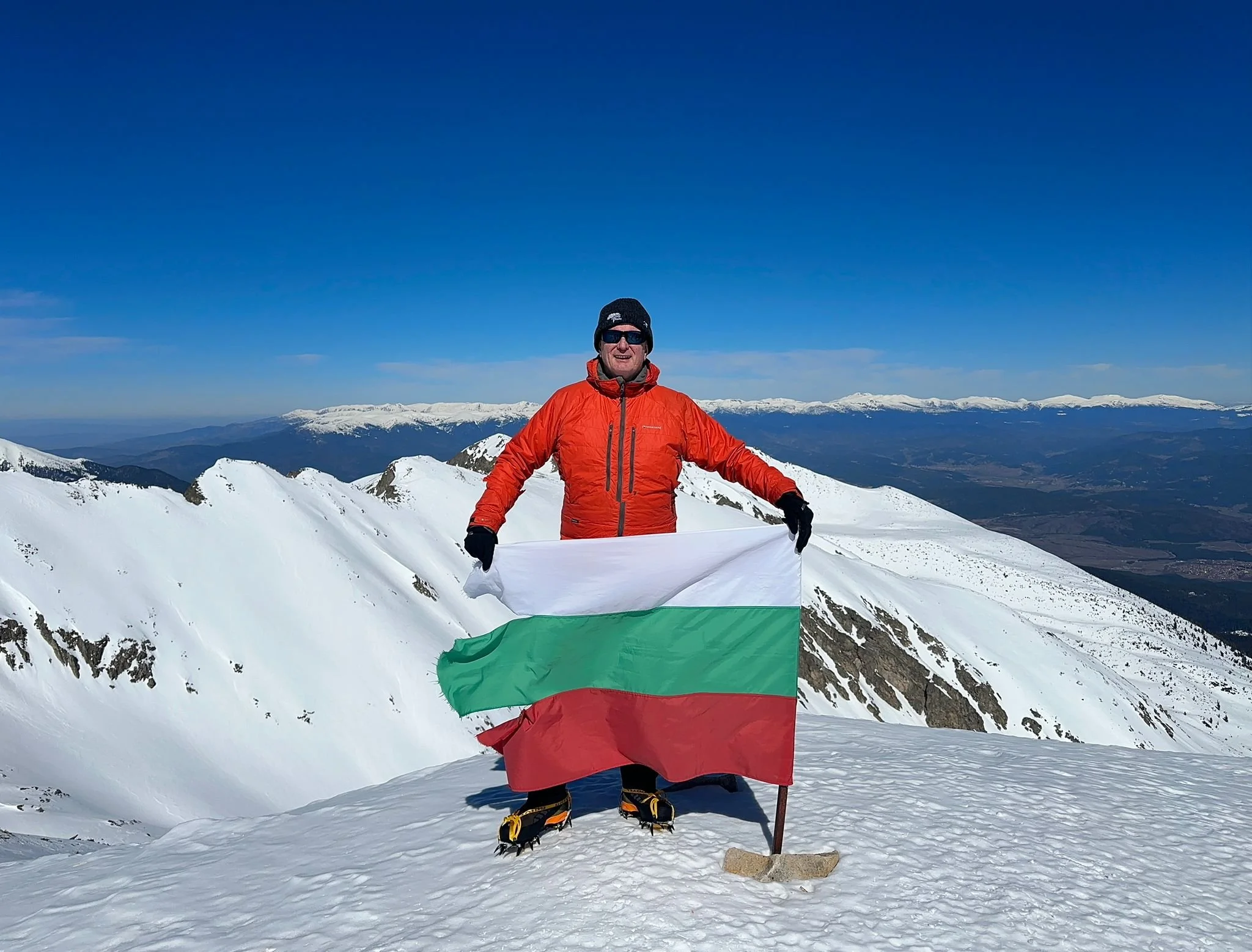
Tell us about yourself and your professional journey.
People often assume my career has followed a straight line through finance, but the reality has been anything but.
As a teenager, I represented England in athletics, winning the English Schools Long Jump Championship and competing internationally. Sport taught me discipline, resilience, and the value of setting ambitious goals long before I ever stepped into a finance role. In fact, my university degree was in Music and Sport Science, and at that stage I hadn't studied a single aspect of finance or commerce.
When my athletics career came to an end, I swapped spikes for spreadsheets and embarked on a career in finance that has now spanned more than three decades. Today, I lead finance organisations across several countries for Ingram Micro, partnering with diverse teams to help businesses drive growth, navigate transformation, and adapt to an increasingly fast-changing technological landscape.
Looking back, it may seem like an unlikely journey. But many of the skills that shaped me as an athlete—discipline, curiosity, resilience, continuous learning, and the determination to keep improving—have proved just as valuable in the boardroom as they ever were on the runway.
Alongside my professional career, I have always believed that success carries a responsibility to give something back. That has led me to serve on several boards, including AmCham Bulgaria, the Duke of Edinburgh's International Award Bulgaria, and now BEST Foundation.
Outside work, I continue to challenge myself through endurance adventures—from climbing mountains across Europe, Asia and Africa to cycling the length of Britain and completing marathons—not because I enjoy suffering, but because every challenge is linked to raising awareness, supporting charities or inspiring others to believe they can achieve more than they imagined.
Looking back, I don't see separate careers in sport, finance, leadership and charity. I see one continuous journey centred around learning, serving others and never becoming comfortable with standing still.
BEST Foundation exists to help young people realise their potential. What does "making a difference" mean to you?
Making a difference doesn't always mean changing thousands of lives. Sometimes it starts by changing one.
Throughout my career I have been fortunate to mentor graduates, develop future finance leaders, coach colleagues through difficult periods and speak to students who are just beginning to imagine their future.
Years later people occasionally tell me that one conversation, one opportunity or one piece of encouragement changed the direction of their career. Those moments remind me that leadership is rarely measured by quarterly results. It is measured by the number of people who are stronger because you believed in them.
That philosophy perfectly aligns with organisations like BEST Foundation. If we can help young people become more confident communicators, more curious thinkers and more resilient leaders, the impact extends far beyond the individual—it influences families, organisations and entire communities.
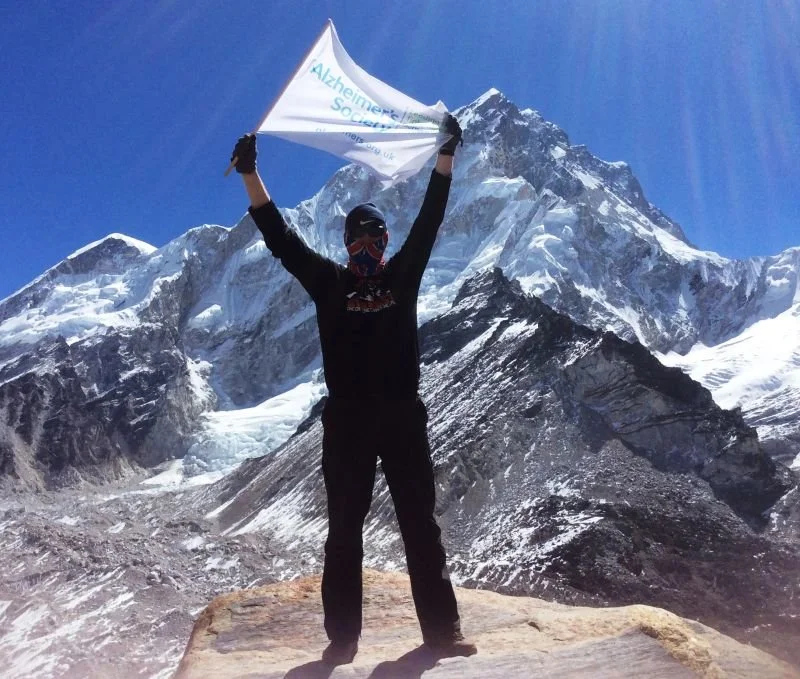
What experience has had the greatest impact on your leadership journey?
Without question, surviving the 2015 Nepal earthquake on Mount Everest.
Like many people, I had spent years preparing physically for the expedition. What I was not prepared for was discovering that leadership under extreme pressure has very little to do with technical expertise and everything to do with calmness, empathy and clear communication. The experience changed my perspective forever.
It reminded me that careers, titles and achievements are important, but people always come first. Since then I have tried to lead with greater authenticity. I do not believe leaders need to have every answer. They need to create environments where people feel safe enough to contribute their own. Ironically, the mountain became one of the greatest leadership classrooms I have ever experienced.
What qualities do you believe define resilient leaders today?
The world is changing faster than ever before. Artificial Intelligence, digital transformation and geopolitical uncertainty mean that technical expertise alone is no longer enough. The leaders who will thrive combine curiosity with humility. They embrace technology without losing sight of humanity.
For me, resilience is built on various foundations:
Curiosity rather than certainty;
Adaptability rather than rigidity;
Integrity even when nobody is watching;
Empathy alongside accountability; and
The courage to continue learning regardless of experience.
I often say that the future belongs to leaders who are human-led and AI-enabled. As I often remind audiences in my keynote speeches on AI, the future is not about humans versus technology—it is about humans working with technology. AI should amplify our judgement, not replace it. Our greatest competitive advantage will always be our humanity.
As a TEDx speaker and frequent keynote speaker, why do you believe speech and debate are so important for young people?
Communication is one of the few skills that improves every aspect of life. If I may borrow and adapt a famous line from a former British Prime Minister who happens to share my first name, Tony Blair, my message to young people would be: "Communication, communication, communication." In today's world, your ability to express ideas clearly, listen actively and engage others is often the difference between having a good idea and turning that idea into reality.
Whether you are interviewing for your first job, presenting to a board of directors, leading a team or simply explaining an idea, your ability to communicate often determines whether your ideas become reality. Speech and debate do far more than improve public speaking. They teach young people how to think critically, listen respectfully, challenge ideas rather than individuals, structure arguments and become comfortable with constructive disagreement. Perhaps most importantly, they build confidence.
I have spoken to audiences ranging from university students to global executives, and I can honestly say that confidence rarely comes naturally—it comes through practice. The earlier young people develop those skills, the more opportunities they create for themselves throughout their lives.
What inspired you to support BEST Foundation?
Throughout my career I have been fortunate to receive opportunities that changed my life. Teachers, coaches, mentors and leaders invested time in me before they had any reason to do so. Joining BEST Foundation felt like an opportunity to pass that investment forward. I was particularly drawn to its commitment to developing communication, leadership and critical thinking in young people because these are precisely the skills I believe will become even more valuable in an AI-driven world. The ability to inspire people, build trust, think critically and communicate with clarity will always remain distinctly human. Helping young people develop those capabilities is an investment in Bulgaria's future.
What advice would you give to young people who aspire to become leaders?
Do not chase leadership. Chase growth. Leadership is usually a by-product of consistently helping others succeed.
Be curious.
Read widely.
Travel whenever you can.
Volunteer.
Take on challenges that scare you (I certainly do).
Learn from failure faster than you celebrate success.
Most importantly, remember that your career is only one part of your legacy.
People rarely remember your job title. They remember the opportunities you created, the encouragement you gave, and the difference you made in their lives.
As the late Maya Angelou so beautifully said: "People will forget what you said, people will forget what you did, but people will never forget how you made them feel."
That is the legacy every leader should strive to leave.
As I often say in my talks: Live the story you want to tell. If you do that, leadership will find you.